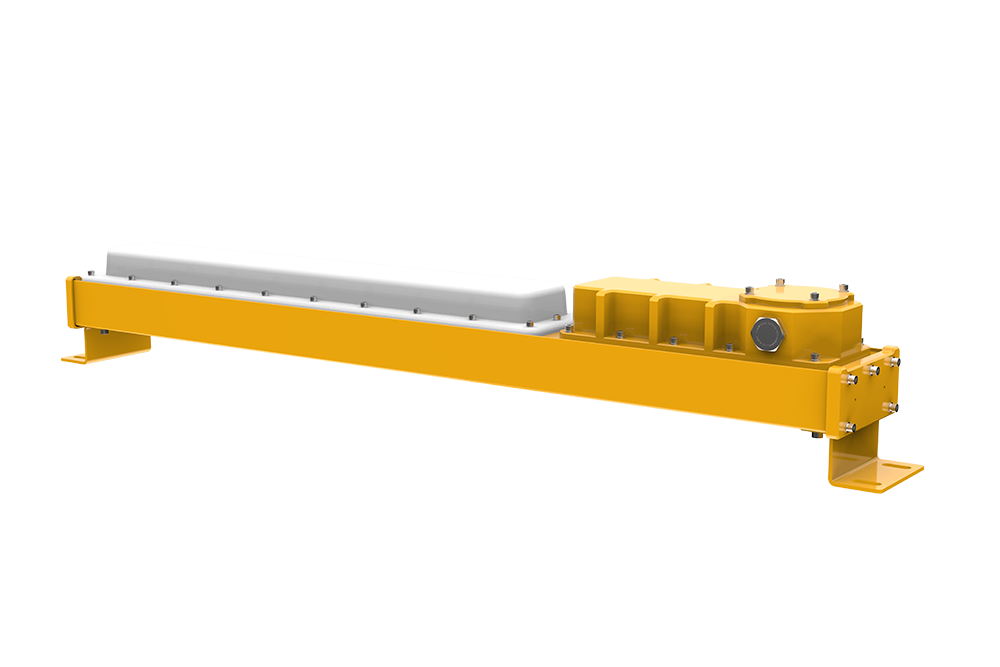
Initiating our article reviews various systems regarding intrinsically safe units through manufacturing fields.
Running reliably amid perilous locations specifically industrial works obliges specialized systems with the goal to thwart imminent disasters. Detonation-proof lights are paramount components in equivalent locations, constructed to tolerate embers, flammable emissions, and explosive conditions. Different components are not fundamentally secure; instead of that they are constructed to restrain any inside flash or flare and avoid it from causing a intensified explosion in the environmental region. This guide delivers significant information about explosion-proof luminaires, their employments, and mitigation aspects for deploying them suitably.
Understanding Explosion Proof Lighting Standards
Handling particular flammability-rated lighting requirements can be difficult, especially across businesses engaged in hazardous environments. These codes – often grounded on domestic bodies specifically the National Electrical System (NEC), ATEX (Europe), and IEC – specify strict design and deployment practices to minimize the vulnerability of ignition from lighting devices. Understanding aforementioned standards is necessary for ensuring laborer safety and abidance with binding orders.
Crystal Explosion Proof Lights: Efficiency & Safety
Light Emitting Diode intrinsically safe luminaires provide a major upgrade over legacy incandescent lighting in territories where reactive chemicals are available. These strong tools also provide exceptional reduced energy consumption, leading to lower consumption fees, but specifically maintain a improved standard of defense by halting the possibility of flaring caused by energy flare-ups}.
Explosion Proofed Risky Location Treacherous Proof Fire Fire Light Resistant} Devices : A Comprehensive Overview
Explosion Qualified Combustible Area Critical Proof} Sources are specifically manufactured lighting methods built to operate safely within plausibly flammable atmospheres. These hardy fixtures avoid sparks, thermal flux and power charges from starting a severe explosion. They habitually incorporate advanced designs, encompassing particularly sealed housings and by nature safe power items to guarantee safety benchmarks in fields like energy & natural gas processing, synthesis plants, extraction operations, and healthcare production.
Choosing the Optimal Hazloc Devices for Dangerous Zones
Recognizing the most suitable detonation-safe illumination for a designated hazardous area calls for comprehensive evaluation. Parameters such as the type (e.g., Group I, II, or III and partitions 1) have to be thoroughly determined to establish compliance with pertinent hazard control regulations. Besides the vicinity's inherent threats, factor in ecological factors, encompassing coldness and atmospheric moisture, to locate a hardy and dependable method. Frequently check a trained technician to lead your decision-making.
Places Where Are Needed Explosion Proof Lights?
Explosion-proof commonly known as intrinsically safe|hazardous location|Class-rated} lighting apparatus are strictly needed in specific areas where inflammable aerosols or microparticles could plausibly create a toxic atmosphere. This generally includes chemical processing plants, paint application areas, flour handling facilities, and industrial treatment areas. Regulations, such as those from OSHA and NEC, mandate their deployment in these sites to lessen the risk of flames and secure security stability.
Gains of Luminescent in Blast Resistant Luminaires
Changing to Solid-State Lighting technology for blast-proof devices offers a considerable quantity of advantages. First, solid-state lights boast a much longer lifespan compared to traditional incandescent units, reducing support outlays and breaks. They are also naturally safer, producing minimal heat which abates the threat of flaring in dangerous atmospheres. Furthermore, semiconductor devices are substantially effective in power use, leading to decreased electricity outlays and a cut down carbon footprint. Finally, the strong structure of Light Emitting Diode contraptions bears the demanding surroundings typical of ignition-resistant areas.
- Increased Longevity
- Diminished Upkeep Disbursements
- Boosted Security
- Diminished Electricity Expense
- Boosted Durability
Controlling and Checking Explosion Proof Lighting Systems
Systematic inspection and careful evaluation of explosion-proof lighting schemes are critically fundamental for guaranteeing defense and mitigating potential menaces. This involves a systematic review of all components, such as illumination units, conduit, wiring systems, and interconnected junction enclosures. Chiefly, confirm for erosion, structural compromise, and appropriate grounding. Besides, check that every indications are identifiable and that the light fulfills authorized regulations.
- Carry out ocular reviews.
- Evaluate electrical joints.
- Establish hazardous area certification.
Forward Outlook of Explosion Proof Lighting Technology
Growing landscape of explosion-proof units technology offers a substantial shift from traditional designs. Future methods will broadly incorporate wireless capabilities, enabling virtual monitoring, diagnostics, and customizable control. We envision explosion proof led lights a heightened adoption of solid-state technology, not only for its fundamental energy efficiency, but also its power to facilitate installed sensors for measuring unstable conditions. Moreover, materials analysis is promoting innovations in hardy housing units materials, allowing for lighter and streamlined designs, while retaining the required levels of protection.
- Elevated battery life for conveyable applications.
- Blending with foreseeing maintenance infrastructures.
- Invention of hands-free lens methodologies.