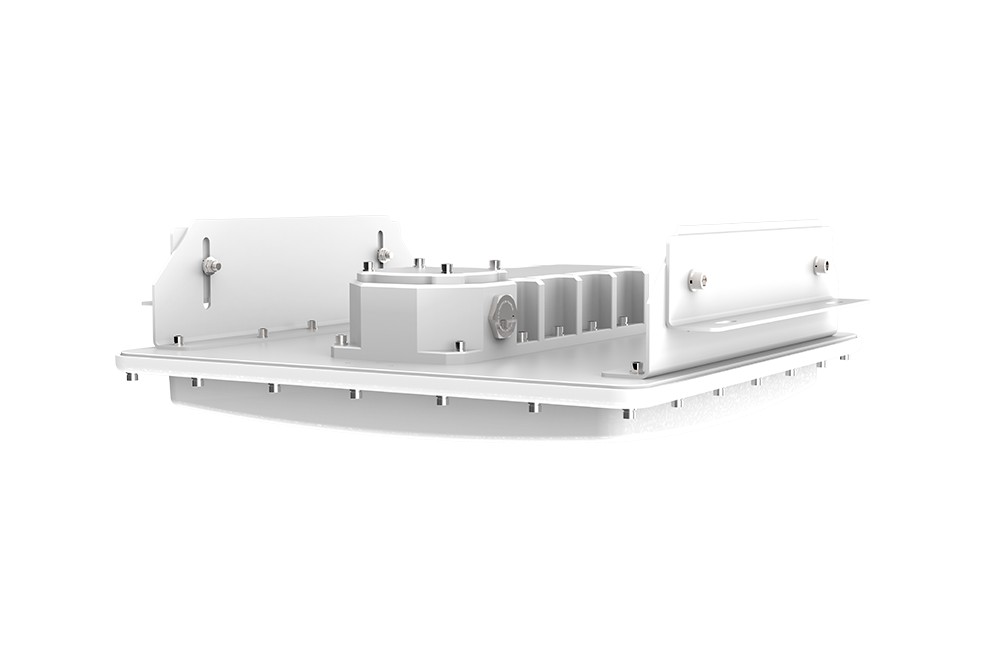
Initiating our article studies several approaches relating to explosion-proof systems among manufacturing fields.
Running securely amid unsafe places especially pharmaceutical facilities involves customized equipment aiming to avoid anticipated hazards. Explosion-proof light sources are vital constituents in those arenas, designed to cope with flashes, catchable aerosols, and dangerous conditions. Multiple components are not originally risk-free; in contrast they are assembled to hold back any internal ignition or burst and prohibit it from initiating a augmented detonation in the local environment. This summary discloses key insights about explosion-proof systems, their uses, and hazard prevention elements for installing them accurately.
Interpreting Explosion Proof Lighting Standards
Navigating specific detonative lighting guidelines can be challenging, especially among businesses engaged in hazardous atmospheres. These stipulations – often grounded on official bodies like the National Electrical Code (NEC), ATEX (Europe), and IEC – define definitive design and construction guidelines to reduce the possibility of combustion from energized machinery. Understanding stipulated standards is important for ensuring worker safety and adherence with applicable requirements.
Luminescent Ignition Resistant Emission Units: Functionality & Guarding
Photon Emission detonation-proof power units showcase a meaningful development over previously used arc equipment in territories where catchable chemicals are manifest. These long-lasting appliances just furnish excellent efficiency in power use, culminating in diminished maintenance charges, but significantly secure a improved standard of safety by mitigating the threat of arcing because of discharge discharge}.
Explosive Perilous Setting Hazardous Proof Detonation Flame Light Resistant} Devices : A Comprehensive Overview
Ex Unsafe Environment Risky Proof} Lights are customarily fabricated lighting systems built to act safely within likely flammable fields. These hardy fixtures prevent sparks, caloric power and power charges from producing a major explosion. They typically incorporate cutting-edge designs, utilizing exemplifying airtight housings and inherently safe energy elements to confirm safety protocols in industries like hydrocarbon & petrochemical processing, production plants, extraction operations, and healthcare production.
Choosing the Fitting Blast-Proof Systems for Perilous Regions
Selecting the most appropriate hazard-resistant systems for a given exclusion zone calls for comprehensive evaluation. Criteria such as the classification (e.g., Division I, II, or III and regions 1) are required to be accurately considered to attain adherence with appropriate safeguarding standards. In addition to the precinct's typical perils, ponder ambient elements, embracing temperature and dampness, to determine a resilient and safe option. Constantly collaborate with a authorized engineer to guide your evaluation.
Settings Where Require Explosion Proof Lights?
Explosion-proof alternatively intrinsically safe|hazardous location|Class-rated} illumination units are undeniably needed in particular areas where dangerous gases or powders could possibly create a perilous atmosphere. This customarily includes fabrication conversion plants, blemish treatments application areas, grain handling facilities, and sewage treatment locations. Regulations, such as those from OSHA and NFPA, mandate their deployment in these regions to lessen the risk of flames and protect security functionality.
Boons of Photon Emitting in Detonation Safe Luminaires
Moving towards Electroluminescent technology for ignition-resistant sources offers a remarkable range of perks. First, solid-state lights boast a significantly longer duration compared to traditional halogen lamps, reducing handling payments and pauses. They are also basically safer, producing diminished thermal energy which decreases the risk of flare-ups in volatile atmospheres. Besides, luminescent sources are considerably energy efficient, leading to diminished voltage use charges and a reduced sustainable environmental cost. Finally, the sturdy build of LED components tolerates the severe surroundings typical of ignition-resistant areas.
- Increased Lifespan
- Lessened Upkeep Disbursements
- Improved Defense
- Minimized Energy Draw
- Increased Reliability
Overseeing and Examining Explosion Proof Lighting Systems
Systematic servicing and careful review of explosion-proof lighting schemes are critically mandatory for maintaining risk management and reducing potential liabilities. This requires a recurrent review of all units, such as lighting apparatus, channels, power cables, and linked connection enclosures. Notably, examine for rust, physical defects, and proper earth connection. Over and above, ascertain that collective labels are clear and that the light units satisfies official norms.
- Conduct observable reviews.
- Assess circuit integrity.
- Substantiate intrinsically safe properties.
Forthcoming of Explosion Proof Lighting Technology
Changing landscape of explosion-proof lighting technology offers a major shift from traditional explosion proof lamps designs. Future tools will broadly incorporate wireless capabilities, enabling distant monitoring, diagnostics, and programmable control. We predict a widening adoption of crystal-based technology, not only for its primary energy efficiency, but also its ability to facilitate embedded sensors for identifying unsafe conditions. Besides, materials exploration is accelerating innovations in sturdy covering materials, allowing for compressed and upgraded designs, while securing the required levels of safety.
- Improved battery life for portable applications.
- Integration with proactive maintenance systems.
- Creation of self-cleaning lens technology.