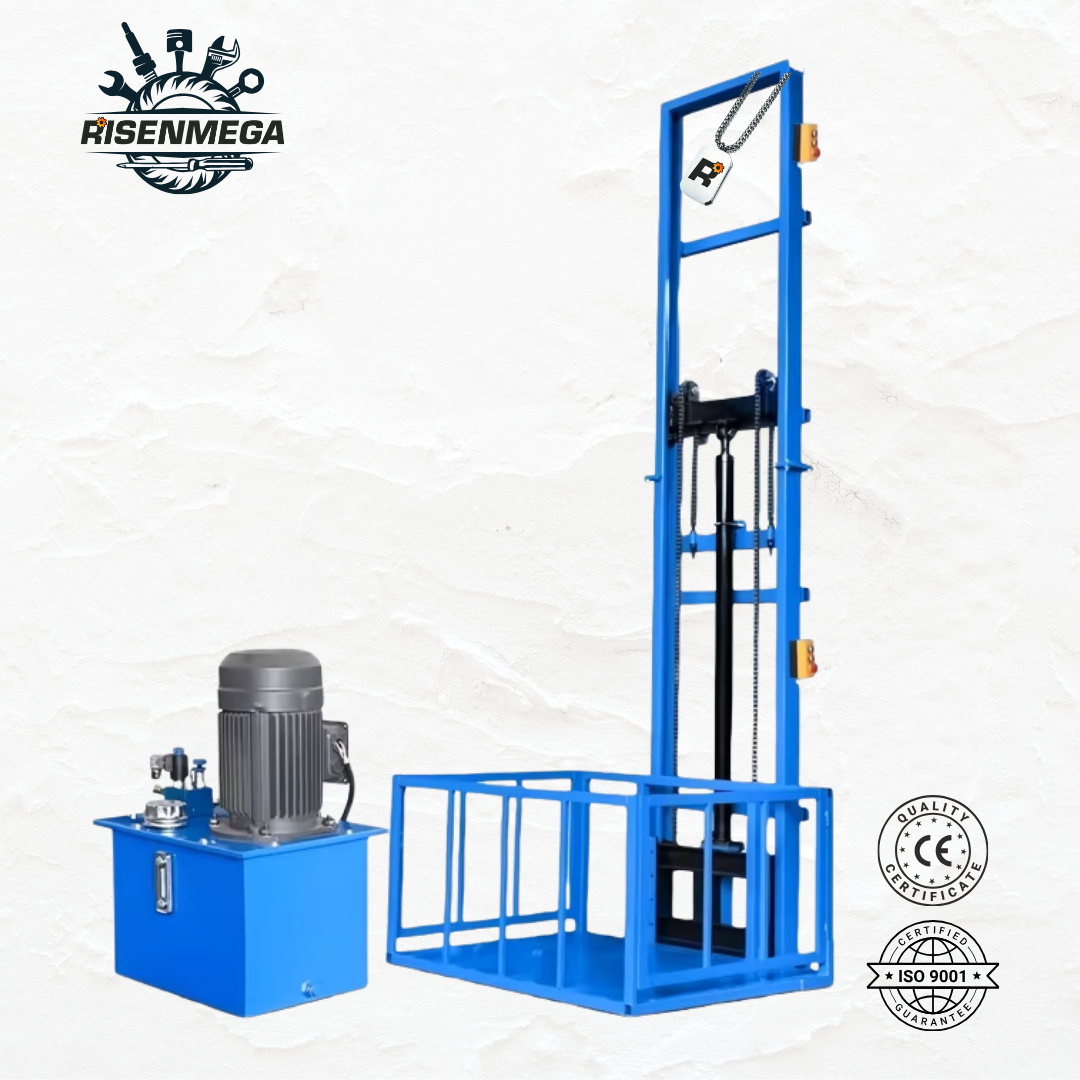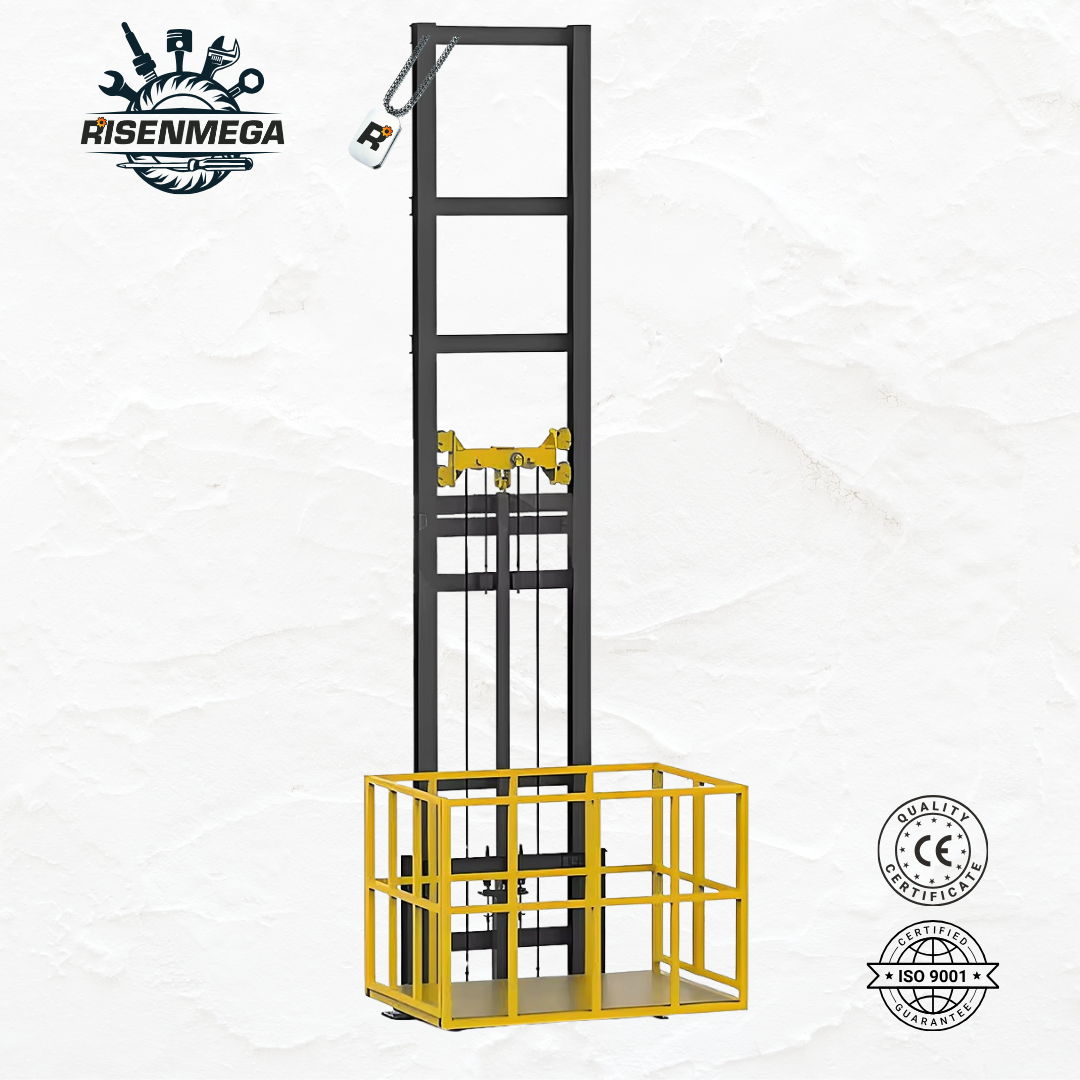
Finding a appropriate tool intended for transporting baggage poses a demanding duty.This specific exploration considers the realm of consignment lift answers, outlining various genres of lifts, from straightforward scissor lifts and pressure-based platforms to more complex vertical conveyance systems.We'll scrutinize factors like payload requirements, area constraints, and expenditure considerations to advise you choose the most suitable route for your facility.If one is dealing with substantial pallets, cumbersome machinery, or routine freight, understanding your requirements is fundamental for a fruitful implementation.
Supplies Lift Selections for Your Organization
Identifying the correct cargo elevator is a key decision for any establishment that handles significant quantities of products.A large comprehensive spectrum of solutions available, each with its own upsides and negatives.Reflect on diligently your definite needs. Common choices include:
- Piston Elevators: Suited for reduced levels and implementations.
- Electromechanical Elevators: Offer heightened quickness and strength for augmented buildings.
- Automated Lifts: Created for transporting crates and different bulky products.
Aerial Rail Material Hoists: Effectiveness and Well-being
Contemporary guide rail consignment transporters are revolutionizing commodity handling in storages, offering a significant gain to both operation and preservation.This kind of systems utilize a controlled path system to precisely shift substantial freights vertically, shrinking the need for manualized carrying.The built-in architecture incorporates different reliability features, including fail-safe ceasing processes and sturdy building, ensuring technicians and neighboring areas are shielded from potential hazards.To summarize, these hoists provide a economical and durable solution for enterprises seeking to improve their processes functions.
Choosing the Ideal Products Transporter for Production Needs
Electing the perfect supplies hoist for your production location requires rigorous evaluation.A variety of criteria must be scrutinized, including the altitude of the obligatory transfer, the density limit of the wares being handled, and the vacant area. What’s more, secure specifications and adherence with binding directives are necessary. Failing to address these areas could produce in reduced productivity and conceivable pitfalls.
Improvements of a Consignment Lift in Distribution Center Tasks
Implementing a goods transporter within a logistics hub can yield substantial perks to overall motions. Such tools extensively reduce the need for laborious managing of sturdy items, consequently diminishing the risk of team member casualties. Moreover, a goods conveyor amplifies yield by allowing faster transfer of merchandise among distinct steps, ultimately causing to improved supply chain and less charges.
Learning Distinct Forms of Materials Transporters
Transferring ample products within a building necessitates specialized equipment, and comprehending the different types of goods elevators is fundamental. They are unlike your common passenger elevators; those are manufactured to bear substantial loads and often feature distinctive characteristics.Let us analyze some popular options. First, there are commercial elevators, durable systems designed for heavy-duty use in manufacturing plants. Then, we have platform elevators, which apply a smooth platform to relocate crates vertically. Lastly, jib lifts offer a uncomplicated and competent solution for transferring loose goods.
- Industrial Elevators: Largely used in production facilities.
- Horizontal Elevators: Well-suited for containerized goods.
- Scissor Lifts: Equip with a reliable elevating solution.
Compact Consignment Risers with Support Solutions
In regard to storerooms facing constrained floor area, progressive cargo platforms utilizing track systems offer a beneficial choice. These contraptions curtail the footprint required while regardless reliably transporting solid merchandise. The present pattern typically involves a perpendicular shifting tray that tracks a assigned line, enabling for efficient employment of the ready capacity.
Capitalizing on Vertically Expanded Space with a Cargo Elevator
Across modern stockrooms, maximizing raised space is important for capacity. A material raiser offers a significant approach to this problem. These systems empower you to group supplies elevated than traditional racking systems, hence amplifying your footprint. Note the advantages:
- Minimized spread requirements
- Enhanced commodity coordination
- Higher capacity threshold
- Potential cut in manpower financials
Fitting a Parcel Elevator: Important Details
Planning to introduce a cargo lift can be a major investment for your enterprise, but ensuring a efficient process requires careful management. First, you’ll ought to inspect your specific requirements – including the capacity of the products you’ll be carrying and the stretch the lift will reach. Comprehensive site verification is also paramount, including reviewing structural integrity and available space. You’ll probably required acquire the appropriate approvals from hydraulic cargo lift local bodies. Finally, do not forget to appoint a trained installer to secure risk-free operation and conformity with building codes.
- Evaluate weight capacities.
- Verify site accessibility.
- Secure the right sanctions.
- Appoint a certified operator.