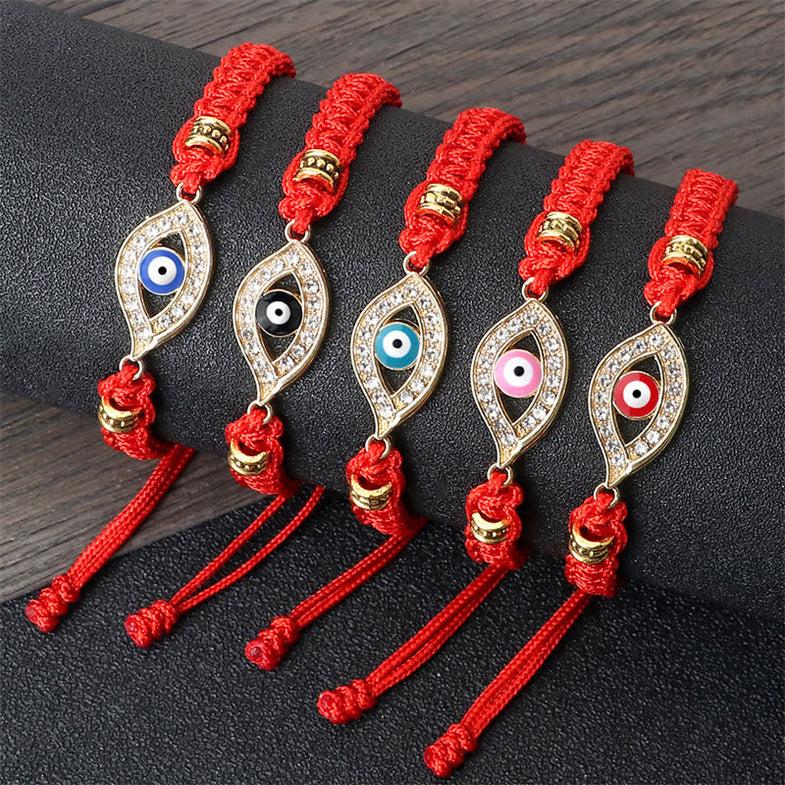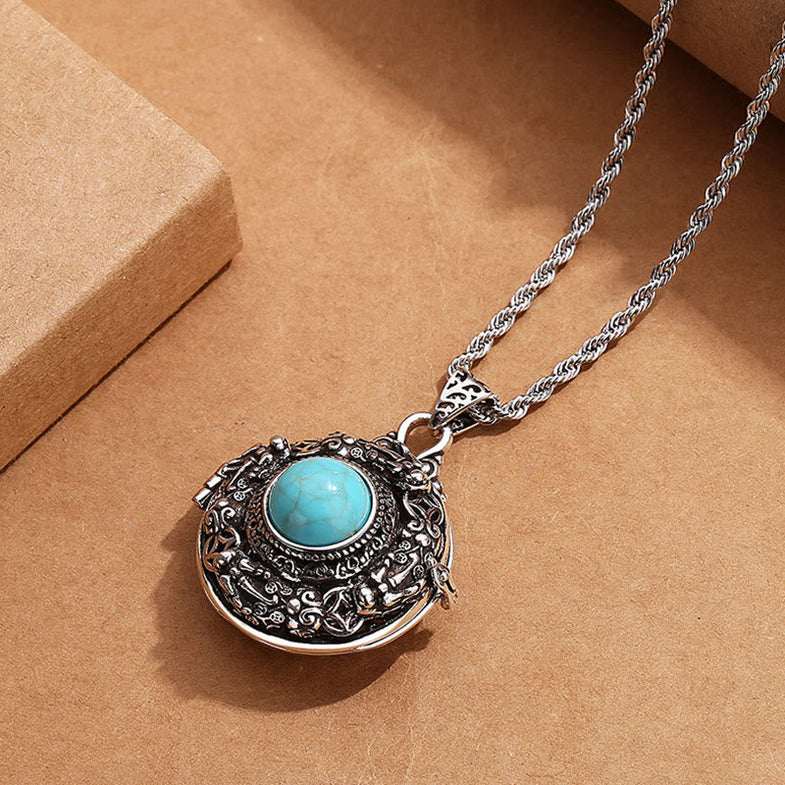
Over ages
Over spans the harmful stare is considered a widespread icon among societies universally. This time-honored habit relies on acknowledging that a spiteful stare, often born of envy or ill-intent, can generate problems. Shielding pendants, often bearing a luminous blue symbol, are displayed to repel this toxic presence. They stand as a sheltering guard, transmitting the bad influences to their inception and guaranteeing comfort for the person. Lots of users enjoy peace of mind and defense with this significant charm
Trendy Safeguards: Evil Eye Ring Styles
The dominant fad in jewelry is certainly the evil eye ring, boasting a one-of-a-kind marriage of design and time-honored shelter. These attractive ornaments, presenting the famous indigo image, arise in all places, spanning chic showrooms to cybermarts. Users become increasingly fond of their muted charisma and the belief they stop toxic energies. If pursuing a modest attribute or a loud addition, the evil eye ring remains a desired preference, indicating a specific manifestation of class and an urge for blessing.
Grasping the Wicked Stare: Safeguarding Ornaments and Wellness
The longstanding idea about the spiteful glance is pervasive throughout several populations, notably across Mediterranean and Levant areas. It affirms that a wicked scowl, regularly caused by rancor or envy, may lead to calamity for the addressee. To protect themselves from this believed negativity, many have traditionally carried amulets and ornaments, and recently, trinkets representing the acknowledged indigo sight are broadly appreciated. These eye-catching trinkets, frequently designed with enamel, are regarded as diminishing harmful influences, bolstering serenity and playing a protective role against the damaging sway. Many believe wearing this jewelry brings peace and safeguards against harm.
Beyond Style: How Nazar Protection Jewelry Acts
Though frequently acknowledged as a stylish decoration, nazar shield accessories carry age-old ancestries bound to traditions across several communities. The ceremony springs from the conviction that hostile auras are emitted by resentful glances, potentially bringing detriment. These ornaments – including armlets, lockets, and circles – are considered to ward off this destructive influence by rebounding or counteracting it. Various evil eye protection jewelry patterns display the renowned nazar sign, usually joined with other auspicious marks like the Hamsa figure. It goes past fashion; it includes displaying a representation of sacred protection.
- Guards from damaging presence.
- Yields divine security.
- Acts as a symbol of hope.
The Tradition & Meaningfulness of Nazar Jewelry
Rooted in traditional communities of the Near East, blue eye circles possess a long tradition. Famed as sheltering from the threatening glare, their function is related to stopping bad fortune. Early forms arose as lucky amulets and accessories used by populations aiming for safeguarding and happiness. The symbol of the gaze, frequently portrayed in hues of azure and silver, aims to deflect damaging forces towards the originator. Over time, the habit has extended globally, with blue eye rings achieving a popular status for both defense and fashion.
Choosing Fitting Blue Eye Trinkets for Private Use
Making a decision on fitting blue eye pendants feels difficult, but knowing their purpose is imperative. Reflect on the form of defense you want. An azure blue eye pattern is traditionally regarded as blocking bad vibes, while particular colors – including scarlet or amber – may grant supplementary layers of protection. Reflect on the scale and fabric also; a tiny trinket is understated, whereas a larger item offers a noticeable highlight. Finally, select a product that connects with your intuition and appears authentic.
Evil Eye Baubles: A Primer on Parts and Symbolic Value
Over spans, the bűbáj has proven a formidable symbol ensuring security against adverse energy. Regularly engaged within diverse cultures, especially in Middle East territories, evil eye items go beyond stylish ornaments; they are age-old charms. The commonly found elements embrace stone, generally crafted to emulate a cerulean look, although different tints such as jade and vermillion are also used. The stare representation signifies an outer glare, created to repel adverse ill wishes, and is commonly joined with other lucky badges such as the Hand of Fatima, assembling a detailed arrangement of sacred creed.
Hierarchical Protection: Planning Your Blue Eye Token Collection
Developing a lovely stratified cluster of your nazar charms transcends looks; it enhances defensive presence. Begin with a delicate necklace close to your heart, then add bracelets of varying lengths, allowing each charm to catch shine. Take note of loops on either palm—a relevant touch. To sum up, an eye-catching evil eye charm on an ample chain can present a robust focal point. Engage with metals like iridium, rhodium, or chrome to enrich your personal appearance and formulate a signature protective lineup.
Blue Eye Circles: More Than a Stylish Piece
More than their gorgeous facade, nazar jewelry presents a detailed lineage, at first derived from old customs of the Middle East. Those unique bands outgrow mere trendy additions to your ensemble; they’re said to provide significant shielding from the negative glare – what observers name the “spiteful look”. Sporting one is considered a means to deflect toxic forces and ensure blessings for the individual.