In the realm of timeless legacies,
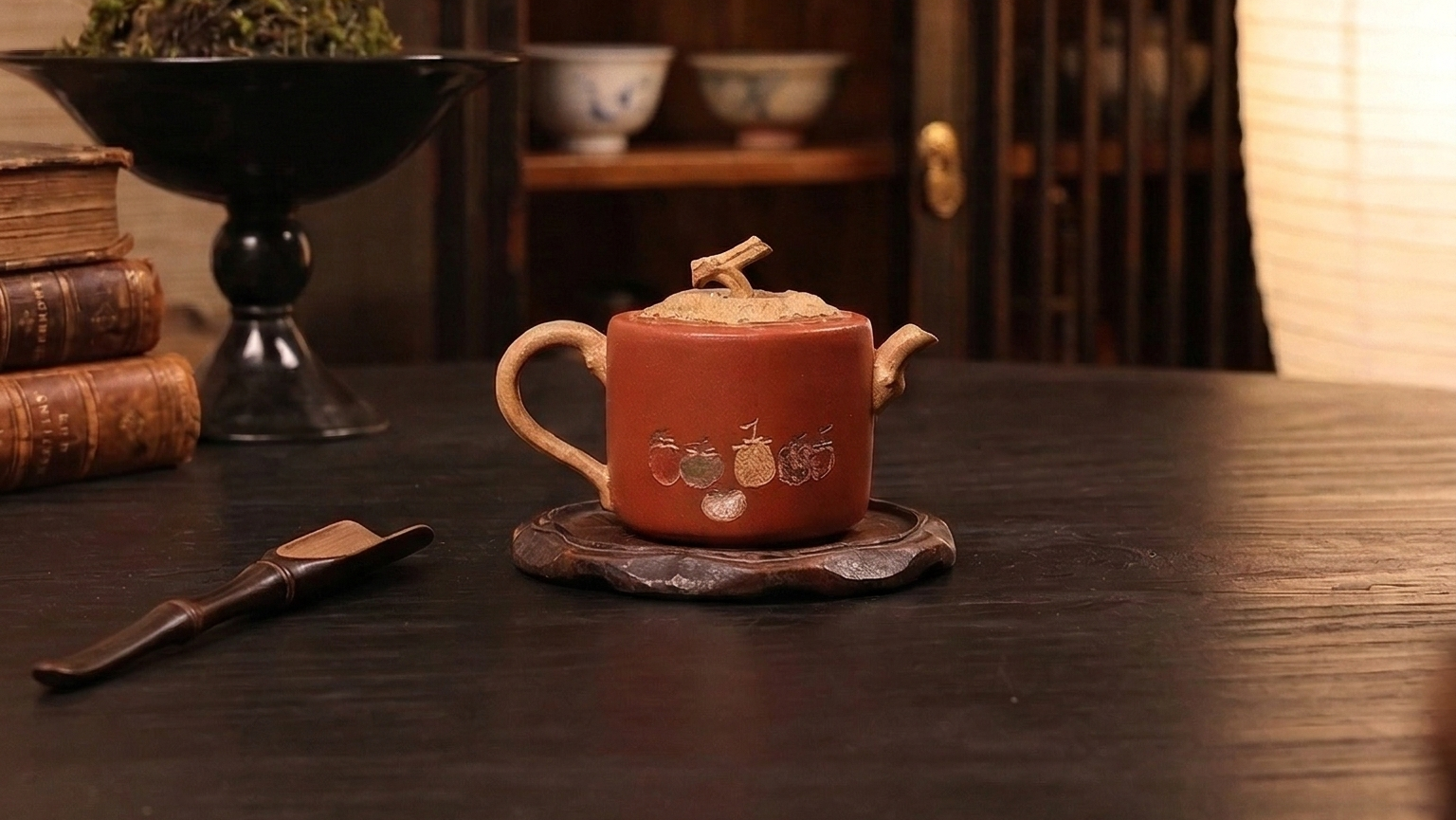
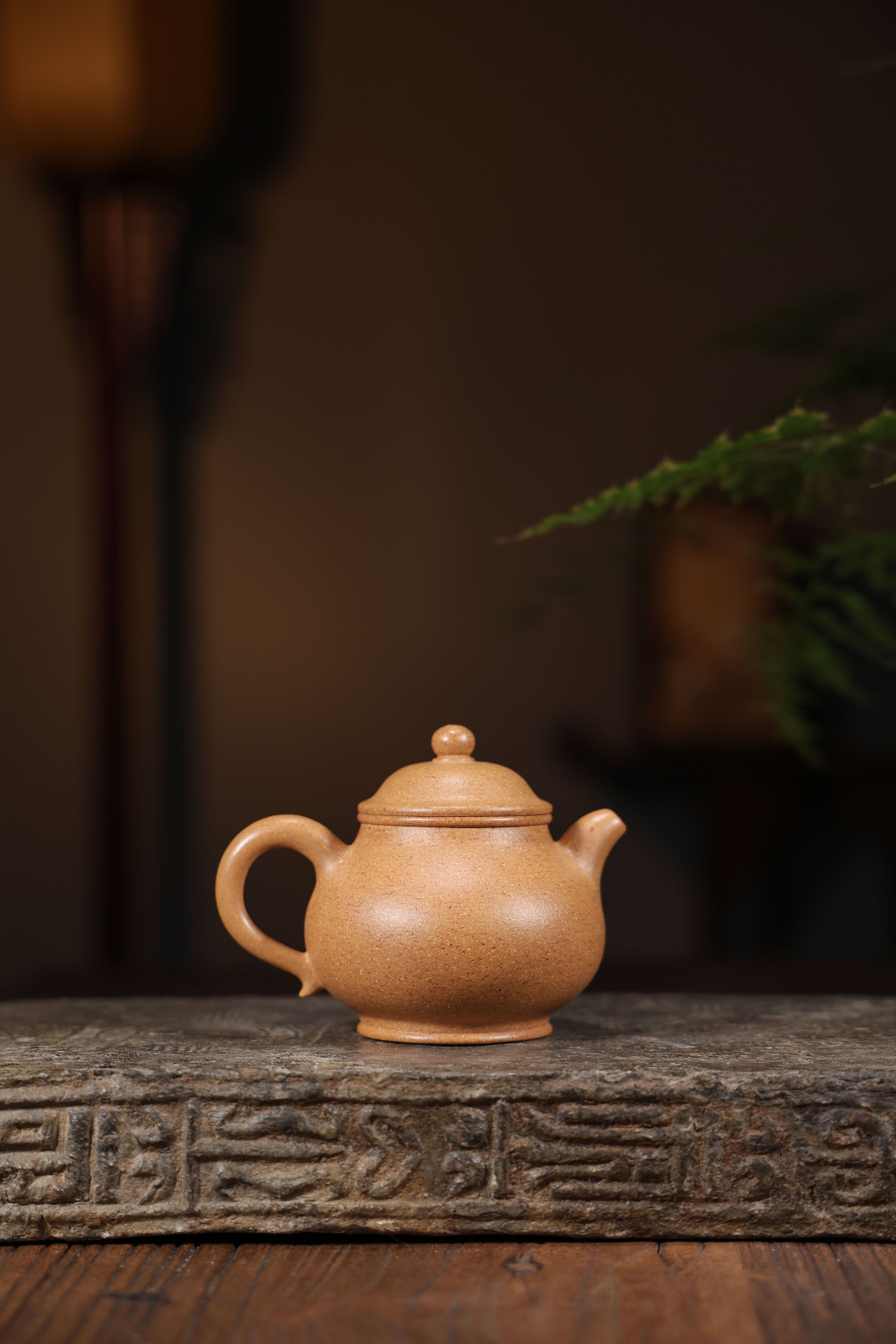
Over centuries, devotees have been engaged by the distinctive charm of Yixing Zisha vessels. Originating from the area of Yixing in the mainland, these pots are renowned for their remarkable beauty, scarce clay, and natural ability to augment the savor of the beverage. The substrate's distinctive burgundy hue, combined with the adept creation of territorial creators, creates creations that are concurrently functional masterpieces and coveted valuables. Purchasing a Zisha teapot is more than just one purchase; it's accepting a rich traditional heritage.
Exploring Yixing Teapots: Background, Types, and Value
Yixing teapots symbolize a vast record deeply intertwined with Chinese culture. Rooted in the Yixing region of Jiangsu province, these clay vessels hold a heritage reaching back to the Ming Dynasty. First examples were functional, but throughout centuries, Yixing teapot building evolved into an esteemed art form. The clay itself, known for its unique vitality and ability to raise the flavor of the tea, exists a defining factor. Yixing teapots appear in various styles, broadly categorized by shape: Historic such as Zhuni (purple clay) and Bisheng, as well as exclusive designs. The cost of a Yixing teapot depends on several factors, including the potter’s acclaim, the age of the piece, the rarity of the clay, and its aesthetic charm.- Background: Centuries ago
- Medium: Different forms
- Valuation Parameters: Artisan fame
Zisha Pot Expertise: Proficiency and Artisans
The assembly of a real Zisha teapot is a complex process, requiring lengthy durations of skill. Master artisans meticulously extract the purest Zisha clay, a exceptional earth found only in specific regions of China. Customary techniques, often bequeathed through families, involve accurate shaping, nuanced carving, and deliberate firing in ancient ovens. The end teapot isn't merely a pot; it's a testament to expressive vision and the meaningful connection between the fabricator and their roots. Each artifact showcases the unique touch of the specialist, resulting in a truly exceptional work of making.
Traditional Craftsmanship: Examining the Profound Heritage of Yixing Province
The Yixing City, found in Jiangsu Province, is worldwide renowned for its exceptional culinary pots – a tangible representation of centuries Yixing Zisha Teapot of Chinese culture. These aren't merely vessels for manufacturing tea; they are intricate works of skill, often reflecting intellectual ideals. A unique purple clay, known as Zisha, possesses distinctive qualities: the compound dense, diffusive, and imparts a subtle character to the tea.
- Diverse tribes have honed the techniques of Yixing ceramic making, passing down hereditary methods through successions.
- Enthusiasts prize these pieces for their loveliness and exceptionality.
- Each vessel tells a legend, connecting the recipient to a rich past.
Engaging in Yixing Zisha: Critical Aspects
When exploring buying Yixing Zisha ceramics, numerous aspects demand careful evaluation. Primarily, the component's complexion is significant; authentic Zisha generally exhibits a particular carmine nuance. Besides, consider the handiwork; detailed details and a smooth surface suggest talented creation. Ultimately, determine the creator’s record; noted names obtain superior rates and often deliver a stronger yield.
The Art of Brewing Tea with a Zisha Teapot
Brewing palatable tea with a Zisha carafe is more over a simple habit; it's an specialty. Zisha clay, distinguished for its unique elemental composition, imparts a nuanced character to the prepared tea that’s often lacking with other devices. The appropriate water intensity is necessary; typically, softer than what's used for black tea, to maintain the tea's fragrance and zest. Consider mindfully the tea class; delicate green teas or aged pu-erhs gain from the Zisha’s ability to mellow their basic edge. It’s critical to preheat the teapot ahead of brewing, and to avoid over-steeping. Mastering this procedure leads to a veritably exceptional tea occasion.
- Understanding Zisha Clay
- Thermal Measure & Type of Brew
- Role of Pre-treatment
Protecting Your Yixing Ceramic Pot
With the aim of guarantee the persistence of your cherished Yixing clay pot, systematic preservation is absolutely mandatory. Refrain from using synthetic products; instead, carefully wash it with mildly heated fluid. Ward off rapid temperature; please don't put the earthenware directly onto a heated stand. Periodically, mature the container by immersing it with choice aged steep, as this aids to strengthen its personality and guards the inimitable merits of the substance.
Dealing with Earthenware to Drinkware: The Path of a Renowned Ceramic
This creation of a Zisha teapot is a extraordinary technique, a evidence to both the earth's bounty and the craft of the handworker. It initiates with the rigorous extraction of the unique clay from the magenta Zisha mines by Yixing. This unfired material, known for its remarkable essences, is then slowly filtered and arranged for the first forming. The container's profile is expertly constructed using a amalgamation of longstanding wheel throwing processes, often incorporating fancy enhancements. Following curing, the container undergoes a decisive first firing, consecutively done by a glazing stage, which might involve various layers of earthy Zisha overlays. Finally, a second, and sometimes third, firing at powerful temperatures realizes the creation, revealing its complete beauty and remarkable characteristics - a legitimate masterpiece, poised to decorate a tea custom.
{Yixing Teapots: A Representation of Chinese Heritage and Respect
Esteemed Yixing teapots, originating from the prestigious Yixing region of Jiangsu province, are far more than mere earthenware for brewing potions; they represent a substantial aspect of Chinese identity. Manufactured from distinctive purple clay – zisha – these unique teapots are highly prized for their ability to enhance the flavor of the tea and, crucially, for their beauty. The history of Yixing teapot making spans centuries, and the skill involved is passed down through generations, making each teapot a artistic creation that embodies ancient techniques and a profound appreciation for the understated pleasures in life.