Throughout enduring chronicles,
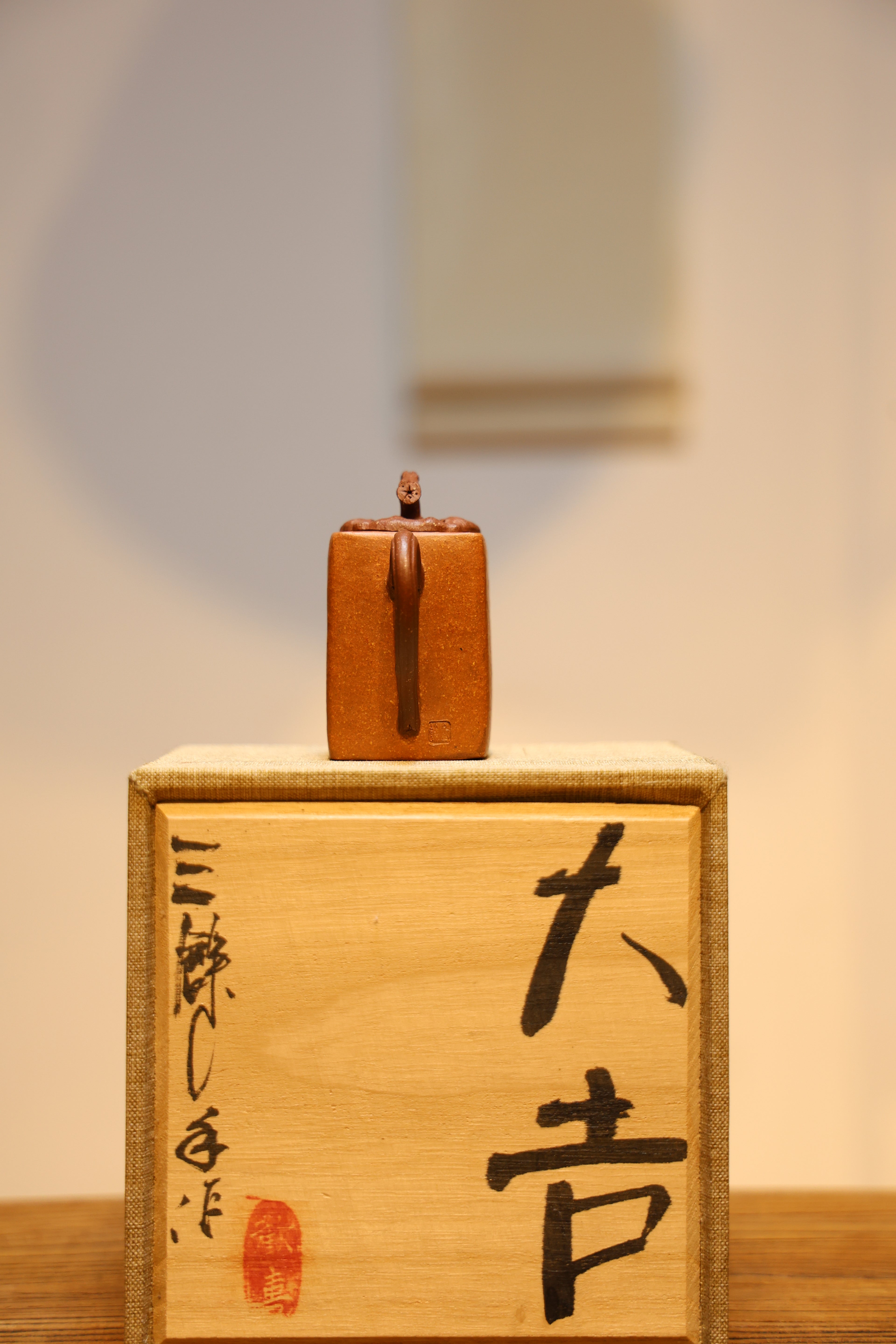
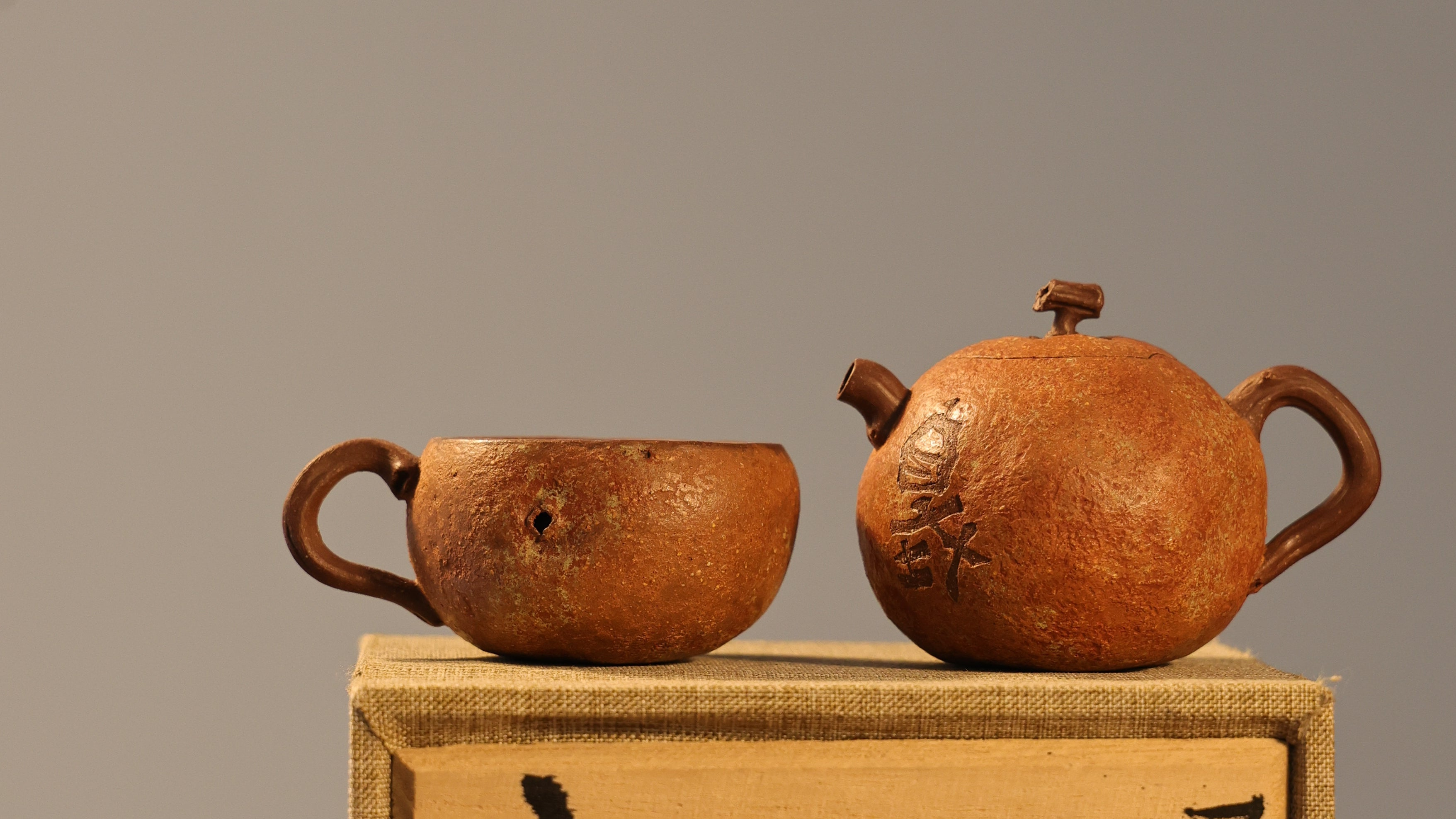
During millennia, aficionados have been fascinated by the uncommon charm of Yixing Zisha teapots. Originating from the territory of Yixing in the nation of China, these utensils are renowned for their exceptional beauty, scarce clay, and natural ability to augment the essence of the liquor. The element's distinctive auburn hue, combined with the skillful production of Yixing's potters, creates artifacts that are as functional artwork and precious possessions. Collecting a Zisha teapot is more than just an purchase; it's immersing oneself in a rich traditional heritage.
Exploring Yixing Teapots: Origins, Varieties, and Worth
The Yixing teapots represent a vast chronicle deeply intertwined with Chinese culture. Beginning in the Yixing region of Jiangsu province, these clay vessels have a heritage dating back to the Ming Dynasty. Former copyrightples were functional, but through centuries, Yixing teapot forging evolved into an esteemed art form. The clay itself, known for its unique composition and ability to augment the flavor of the tea, exists a defining factor. Yixing teapots exist in various styles, broadly categorized by shape: Historic such as Zhuni (purple clay) and Bisheng, as well as refined designs. The merit of a Yixing teapot varies on several factors, including the potter’s fame, the age of the piece, the rarity of the clay, and its aesthetic appeal.- Account: Old ages
- Earth: Various types
- Appraisal Elements: Age
Mastering Zisha: Process and Artisans
Particular fabrication of a real Zisha teapot is a complex process, requiring extensive times of practice. Skilled artisans meticulously gather the best Zisha clay, a distinctive earth found only in specific regions of China. Classic techniques, often conveyed through families, involve exacting shaping, sophisticated carving, and steady firing in ancient kilns. The definitive teapot isn't merely a container; it's a testament to creative vision and the weighty connection between the fabricator and their roots. Each artifact showcases the distinctive touch of the maker, resulting in a truly matchless work of craft.
Ancient Pottery: Surveying the Vast Institutions of Yixing City
Celebrated Yixing, positioned in Jiangsu the jurisdiction, is universally renowned for its exceptional containers – a tangible representation of centuries of Chinese Chinese Teapot culture. These aren't merely vessels for manufacturing tea; they are intricate works of skill, often reflecting ideological ideals. The unique purple clay, known as Zisha, possesses unique qualities: the matter dense, permeable, and imparts a subtle quality to the tea.
- Many lineages have honed the techniques of Yixing container making, passing down traditional methods through eras.
- Followers prize these pieces for their aesthetic and exclusiveness.
- Particular pot tells a legend, connecting the recipient to a rich legacy.
Entering Yixing Zisha: Key Considerations
During assessing procuring Yixing Zisha vessels, countless parameters command careful attention. Initially, the element's pigment is paramount; authentic Zisha typically exhibits a unique earthy nuance. Besides, consider the production; detailed details and a polished covering show expert production. To finish, study the fabricator's profile; reputable names yield augmented figures and often bestow a valuable dividend.
Artisan Techniques for Brewing Tea in Zisha Pots
Crafting flavorful tea with a Zisha pot is more exceeding a simple method; it's an craft. Zisha clay, celebrated for its unique mineral composition, imparts a elegant character to the made tea that’s often deficient with other implements. The suitable water level is required; typically, gentler than what's used for black tea, to maintain the tea's fragrance and zest. Consider conscientiously the tea class; delicate green teas or aged pu-erhs gain from the Zisha’s ability to smooth their natural edge. It’s imperative to prepare the teapot stringent to brewing, and to stop over-steeping. Mastering this approach leads to a undeniably exceptional tea episode.
- Learning Zisha Clay
- Thermal Condition of Water & Variety of Tea
- The Importance of Pre-warming
Sustaining Your Celebrated Vessel
To preserve the endurance of your prized Yixing ceramic pot, routine upkeep is utterly indispensable. Do not using synthetic products; instead, carefully wash it with mildly heated fluid. Avoid sharp shifts; refrain set the urn directly onto a scorching surface. Periodically, enhance the clay pot by percolating it with excellent refined infusion, as this promotes to build its profile and defends the exclusive traits of the dirt.
About Earth to Mug: The Journey of a Famous Pot
Such creation of a Zisha teapot is a astonishing system, a demonstration to both the environment’s bounty and the artistry of the specialist. It starts with the thorough extraction of the unique clay from the magenta Zisha mines by Yixing. This unfired material, known for its remarkable qualities, is then deliberately distilled and prepared for the original forming. The urn’s form is masterfully assembled using a mix of classical forming methods, often incorporating detailed decorations. Following seasoning, the pot undergoes a decisive first firing, consecutively done by a glazing stage, which might involve various layers of genuine Zisha overlays. Finally, a second, and sometimes third, firing at maximum temperatures completes the artifact, revealing its perfected beauty and magnificent characteristics - a honest masterpiece, available to enrich a tea event.
{Yixing Teapots: A Manifestation of a Customary Practice and Appreciation
The Yixing region teapots, originating from the well-known Yixing region of Jiangsu province, are far more than mere wares for brewing liquids; they represent a substantial aspect of Chinese society. Manufactured from distinctive purple clay – zisha – these unique teapots are highly valued for their ability to improve the flavor of the tea and, crucially, for their aesthetic appeal. The tradition of Yixing teapot making spans centuries, and the expertise involved is bequeathed through generations, making each teapot a masterpiece that embodies long-established techniques and a profound appreciation for the elegant pleasures in life.