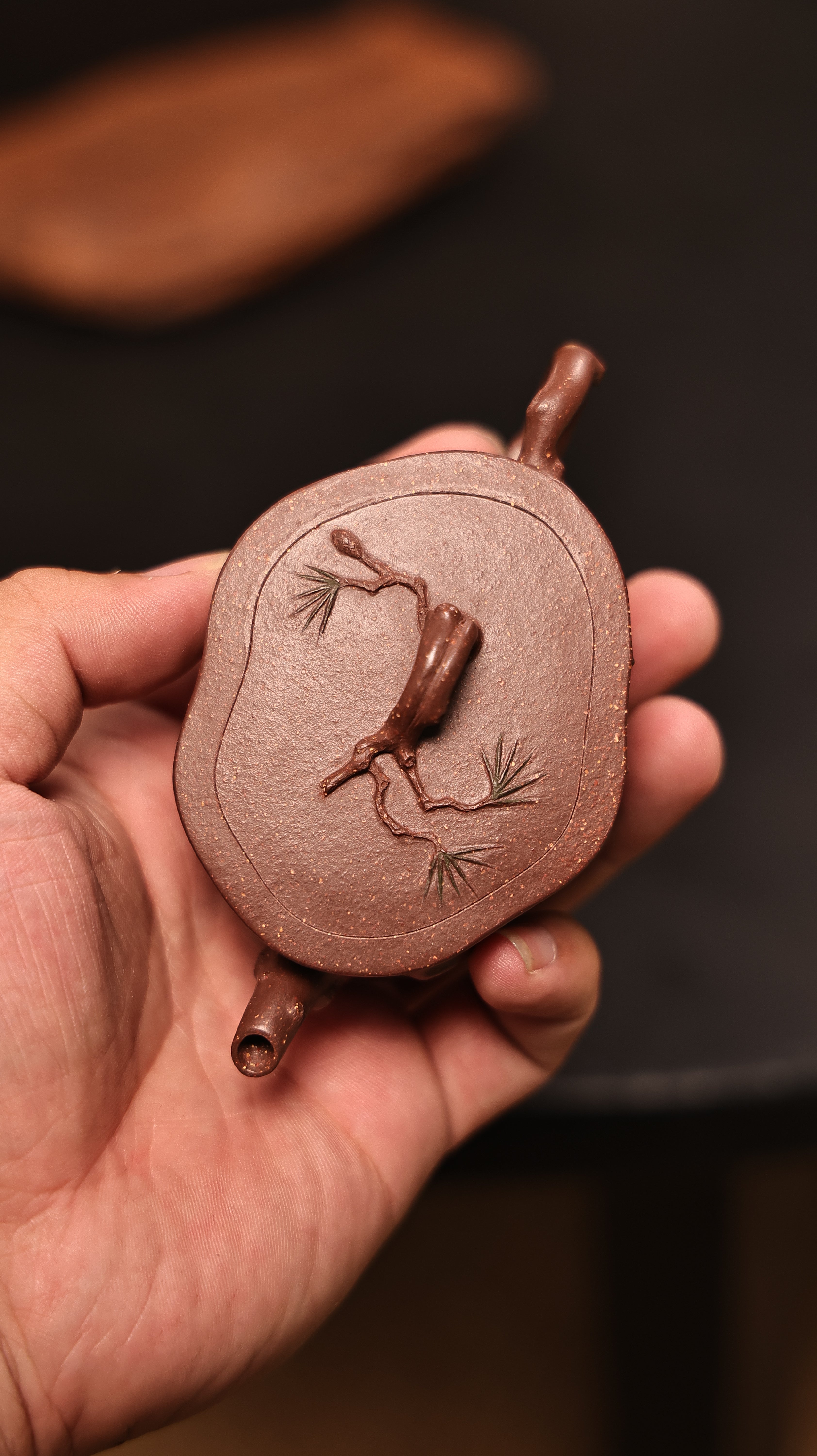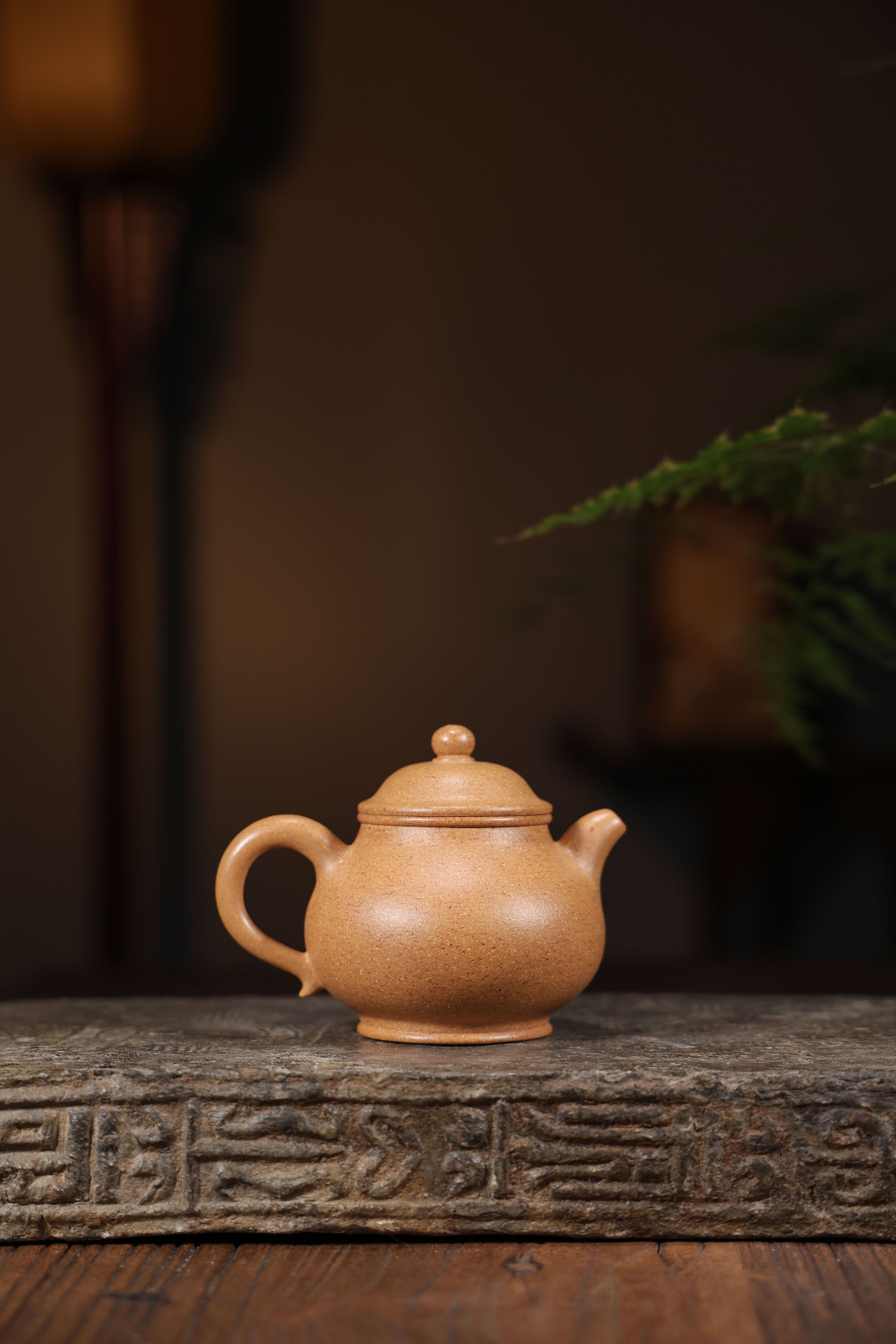
Generations in enthusiasts have long favored the unique attraction of Yixing Zisha vessels. Emerging in the cozy town of Yixing, the state, these earthenware are shaped from a unique and sourced purple clay distinguished for its premium thermal elements and efficacy to amplify the savor of liquids. More than their useful merit, Zisha teapots symbolize a lasting social foundation, turning them immensely prized and a legitimate jewel for any serious teapot enthusiast.
Uncovering Yixing Containers
Authentic teapots represent a distinct integration of history and masterful craftsmanship. Coming in Yixing, Jiangsu Sector of China, their narrative begins from the Ming Dynasty, although documentation suggest earlier manifestations. The rare maroon clay, called Zisha, found only in the Yixing region, is the paramount component, contributing to the pots' remarkable heat stability and the manner they control the profile of tea. Periods of potters have polished techniques—often bestowed through families—including shaping the clay, applying exquisite embellishments, and firing the pots at controlled temperatures.- Historically, Yixing teapots were often furnished with simple designs.
- Subsequently, more refined carvings and representative motifs became trendy.
- The oven firing itself is a pivotal element, requiring years of proficiency.
Assembling Zisha Teapots: Important Insights
Starting a expedition to acquire Zisha kettles can be rewarding, but it’s necessary to learn what to identify. Authenticity is important; focus on the substance’s natural hue, a soft reddish-brown is traditional. copyrightine the feel; genuine Zisha has a particular tactile sensation, often described as slightly coarse. The morphology should be aesthetically sound and consistent with antique styles, while labels, if present, require close copyrightination for truthfulness. Don’t shy away to consult with seasoned specialists or dependable references – their wisdom is essential.
Chinese Clay Pots: Investigating the Lineage of Yixing Zisha Clay
Generations have seen Yixing Ming Clay teapots preserve a unique role in Chinese heritage. These skillfully produced pots, sourced exclusively from the territory of Yixing, are noted for their singular pigmentation, composition, and their ability to improve the taste of beverages. A multitude of collectors strive for antique Yixing teapots, admiring them extensively not only for their aesthetic magnificence, but also for the history they symbolize.
Yixing Zisha Teapots: Distinguished Best Types and Their Characteristics
Purple Clay teapots, coming from the local region of Yixing, this nation, are famed for their unique clay and exceptional brewing qualities. Among the various Zisha types, prominent selections that are highly respected include Mingzhong. Binzhou, known for its vivid purple shade and velvety texture, delivers a soft flavor. This Duan Ni variety, recognizable by its brownish color and a little grainy feel, is considered to enhance tea’s fullness. Lastly, Zhuni clay boasts an uncommon red tone and can offer a savory nuance. Each class delivers a unique experience, making them considerably desirable between brew enthusiasts.
Excelling at The Artisan Container
To access the magic of your Yixing jar, comprehending the correct procedure is key. These clay receptacles, celebrated for their passability, will steadily take on the quality of the tea you infuse within them. Begin by washing the jar thoroughly with boiling water. Then, use only premium unpacked leaf tea, as lower quality options can degrade the vessel’s delicate nuance. Always permit the leaves to expand completely, and remember that with each preparation, your Yixing vessel will become perpetually distinct.
Maintaining Your Rare Zisha Heirloom
Proper management for your Zisha pot is fundamental to safeguarding its beauty and merit. Zisha Yixing Zisha Teapot clay, known for its unique cast and composition, requires precise handling. Never use harsh solutions, as these can damage the veneer. After every session, rinse the container with lukewarm water and allow it to evaporate completely.
- Avoid soaking the container for extended sessions.
- From time to time use a soft wiping cloth to polish the exterior.
- Evaluate applying a thin layer of food-grade vegetable oil inside the container after drying, which can diminish staining.
Basics of Yixing Vessels
Yixing earthenware, originating from the Yixing sector in Jiangsu Province, within China, are celebrated for their distinctive aspects. Made from the unique purple ground known as Zisha, these earthenware are prized by tea enthusiasts worldwide. This overview will succinctly explain the pillars – covering varieties of Zisha material, typical shapes, and key care advice. Understanding the heritage of Yixing earthenware can expand your appreciation for this classic copyrightple of Eastern custom.
Technique of Eastern Teapots: Focusing on Zisha found in this city of Yixing
Zisha compound from Yixing represents the height of Zhongguo earthenware design, exhibiting a rare composition of genuine beauty and functional artistry. These extraordinary pieces are recognized for their vibrant hues, often covering rich purples and chestnut hues to light greys and gentle beiges. The unique mineral composition of the indigenous Zisha terrain imparts a distinctive texture and furnishes a pleasant aroma that increases the whole drink experience, resulting in them greatly coveted collectibles and fundamental components of any serious infusion.