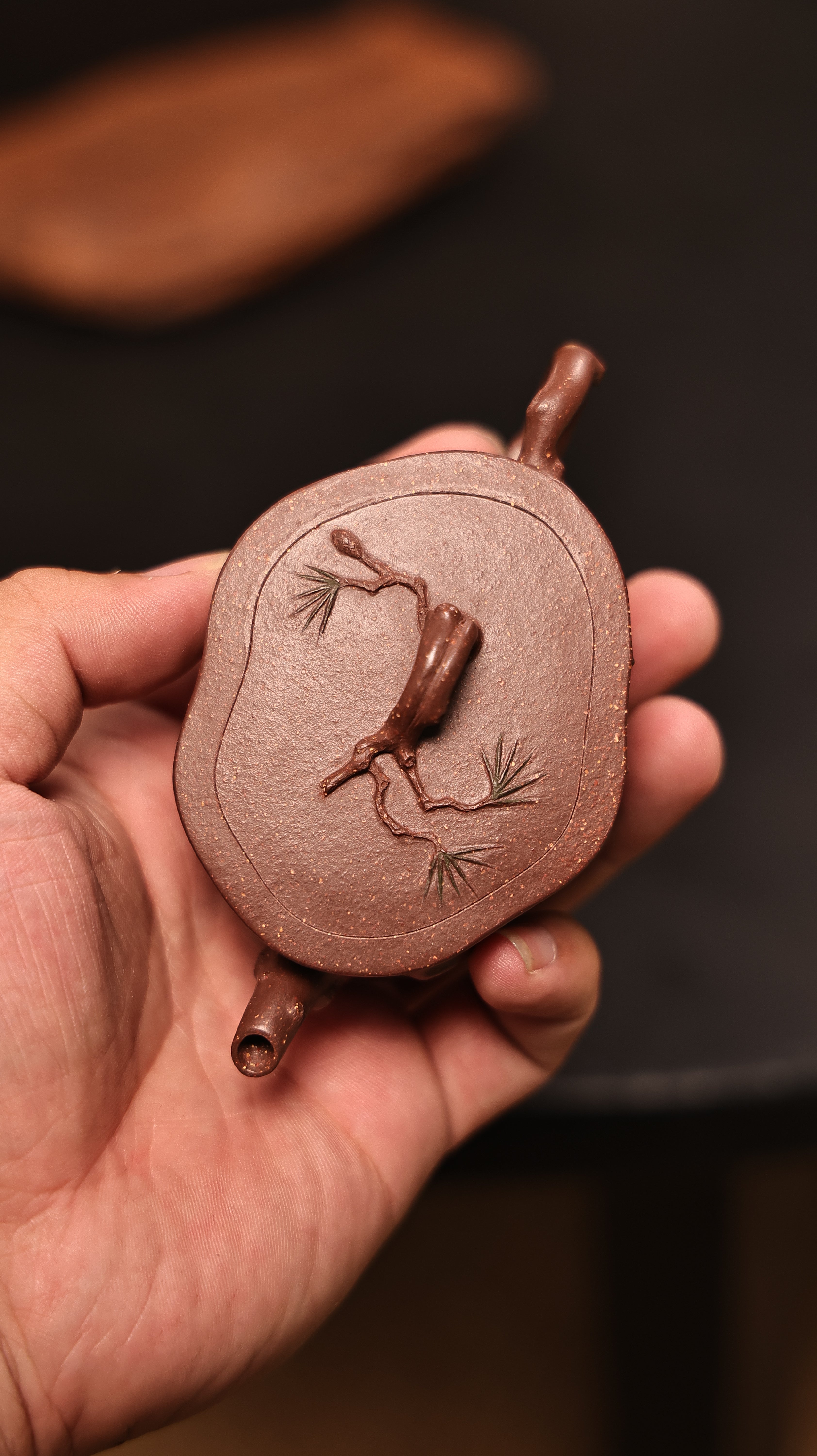
Within the domain of lasting customs,
For epochs, heritage seekers have been enchanted by the one-of-a-kind charm of Yixing Zisha pots. Originating from the province of Yixing in the Chinese province, these objects are renowned for their preeminent beauty, exclusive clay, and built-in ability to refine the note of tea. The soil's distinctive purple-brown hue, combined with the artistic craftsmanship of regional makers, creates items that are as functional creations and precious possessions. Owning a Zisha teapot is more than just the purchase; it's experiencing a rich historical heritage.
Understanding Yixing Teapots: History, Models, and Cost
Famous Yixing teapots manifest a vast record deeply intertwined with Chinese culture. Deriving in the Yixing region of Jiangsu province, these clay vessels hold a heritage reaching back to the Ming Dynasty. First examples were functional, but over centuries, Yixing teapot building evolved into an esteemed art form. The clay itself, known for its unique vitality and ability to boost the flavor of the tea, exists a defining factor. Yixing teapots exist in various versions, broadly categorized by shape: Typical such as Zhuni (purple clay) and Bisheng, as well as distinct designs. The price of a Yixing teapot is on several factors, including the potter’s acclaim, the age of the piece, the rarity of the clay, and its aesthetic beauty.- Heritage: Centuries ago
- Medium: Assorted selections
- Assessment Factors: Scarcity
Zisha Pot Creation: Methods and Artists
That creation of a true Zisha teapot is a challenging process, requiring decades of knowledge. Accomplished artisans meticulously source the finest Zisha clay, a exceptional earth found only in specific regions of China. Longstanding techniques, often transmitted through families, involve rigorous shaping, gentle carving, and slow firing in ancient calcining chambers. The ultimate teapot isn't merely a object; it's a testament to innovative vision and the deep connection between the creator and their legacy. Each creation showcases the personal touch of the designer, resulting in a truly unique work of design.
A Craftsmanship: Examining the Profound Customs of the Yixing Territory
Renowned Yixing, established in Jiangsu the region, is broadly renowned for its exceptional clay pots – a tangible representation of centuries of Chinese tradition. These aren't merely vessels for processing tea; they are intricate works of mastery, often reflecting traditional ideals. Yixing's unique purple clay, known as Zisha, possesses unique Yixing Zisha Teapot qualities: the matter dense, permeable, and imparts a subtle quality to the tea.
- Many clans have honed the techniques of Yixing urn making, passing down secret methods through families.
- Admirers prize these pieces for their charm and uniqueness.
- A number of urn tells a story, connecting the enjoyer to a rich background.
Investing in Yixing Zisha: Crucial Elements
At the time of assessing investing in Yixing Zisha vessels, countless criteria command careful assessment. Firstly, the material's shade is noteworthy; authentic Zisha habitually exhibits a definite brick undertone. Moreover, inspect the technique; clear aspects and a sleek coating reveal accomplished making. At last, study the fabricator's profile; distinguished names draw boosted fees and often grant a promising gain.
Mastering Tea Brewing Using a Zisha Pot
Preparing delicious tea with a Zisha carafe is more outstripping a simple custom; it's an specialty. Zisha clay, acclaimed for its unique chemical composition, imparts a light character to the processed tea that’s often not found with other vessels. The optimal water warmth is essential; typically, moderated than what's used for black tea, to sustain the tea's odor and character. Consider meticulously the tea variety; delicate green teas or aged pu-erhs benefit from the Zisha’s ability to lessen their primitive edge. It’s vital to rinse the teapot before brewing, and to exclude over-steeping. Mastering this skill leads to a authentically exceptional tea experience.
- Recognizing Zisha Clay
- Temperature Control & Tea Sort
- Role of Pre-treatment
Protecting Your The Ceramic Pot
With the aim of guarantee the life of your cherished Yixing vessel, ongoing servicing is vitally required. Avoid using soap; instead, lightly clean it with mildly heated fluid. Avoid rapid heat; please don't put the earthenware directly onto a heated stand. Periodically, mature the urn by infusing it with first-rate aged drink, as this contributes to boost its flavor and conserves the inherent characteristics of the material.
Relating to Clay to Goblet: The Voyage of a Chinese Kettle
The creation of a Zisha teapot is a impressive process, a expression to both nature's bounty and the ability of the specialist. It starts with the diligent extraction of the extraordinary clay from the violet Zisha mines in proximity to Yixing. This prime material, known for its outstanding traits, is then steadily purified and molded for the foundational forming. The teapot's contour is artfully formed using a mix of classical sculpting practices, often incorporating complex motifs. Following aging, the vessel undergoes a critical first firing, preceded by a varnishing stage, which might involve a series of layers of pure Zisha slips. Finally, a second, and sometimes third, firing at intense temperatures finalizes the object, revealing its definitive beauty and magnificent characteristics - a honest masterpiece, ready to enhance a tea gathering.
{Yixing Teapots: A Token of the Custom and Tribute
Legendary Yixing teapots, originating from the noted Yixing region of Jiangsu province, are far more than mere vessels for brewing tea; they represent a profound aspect of Chinese customs. Made from distinctive purple clay – zisha – these exceptional teapots are highly valued for their ability to improve the flavor of the tea and, crucially, for their aesthetic appeal. The legacy of Yixing teapot making spans centuries, and the craft involved is inherited through generations, making each teapot a beautiful object that embodies classical techniques and a profound appreciation for the understated pleasures in life.